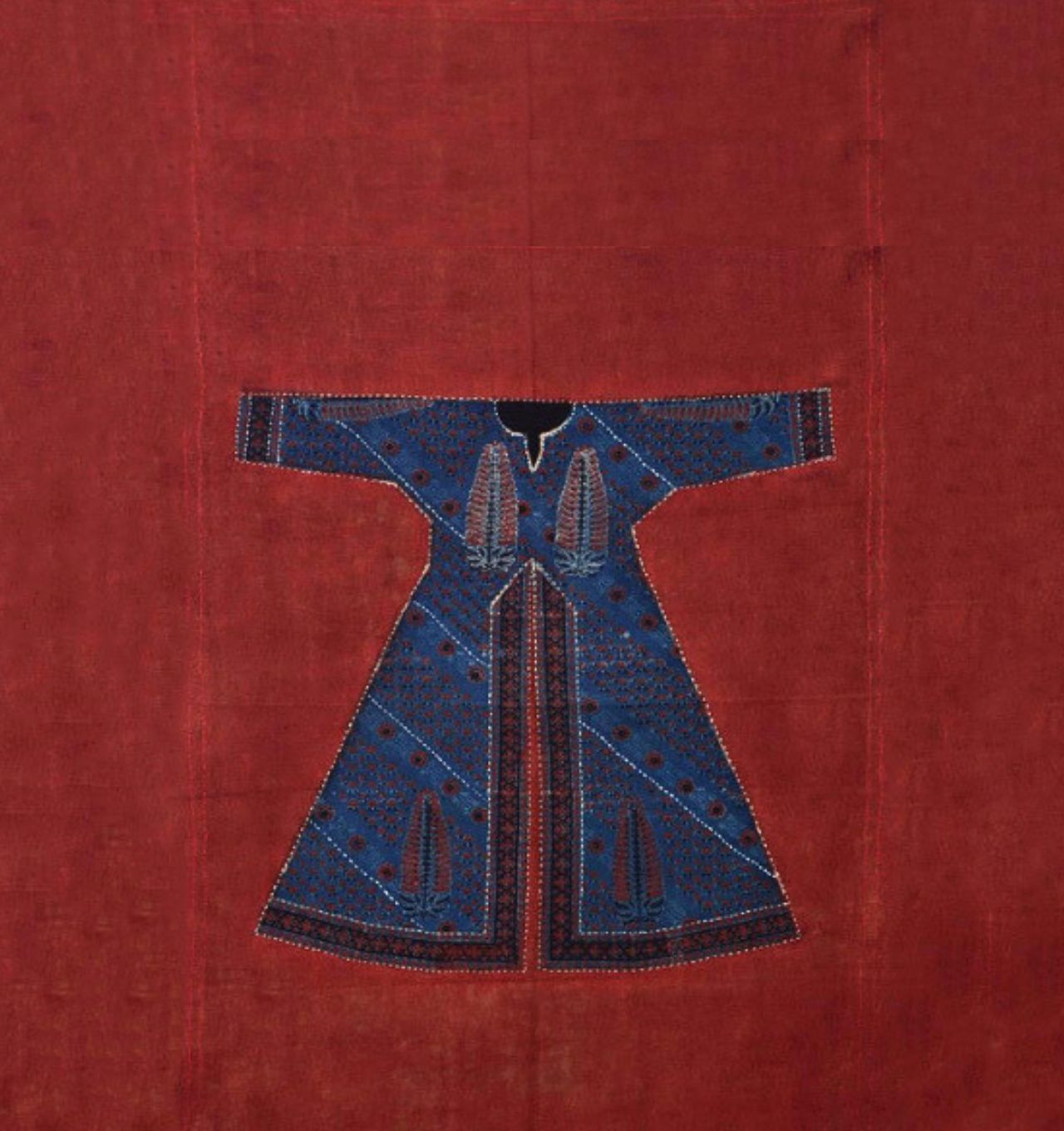
Indian Textiles: Histories, Practices, Perspectives
1892 People Enrolled
- 10 Lectures •
- 10 Quizzes •
- Certificate of Completion
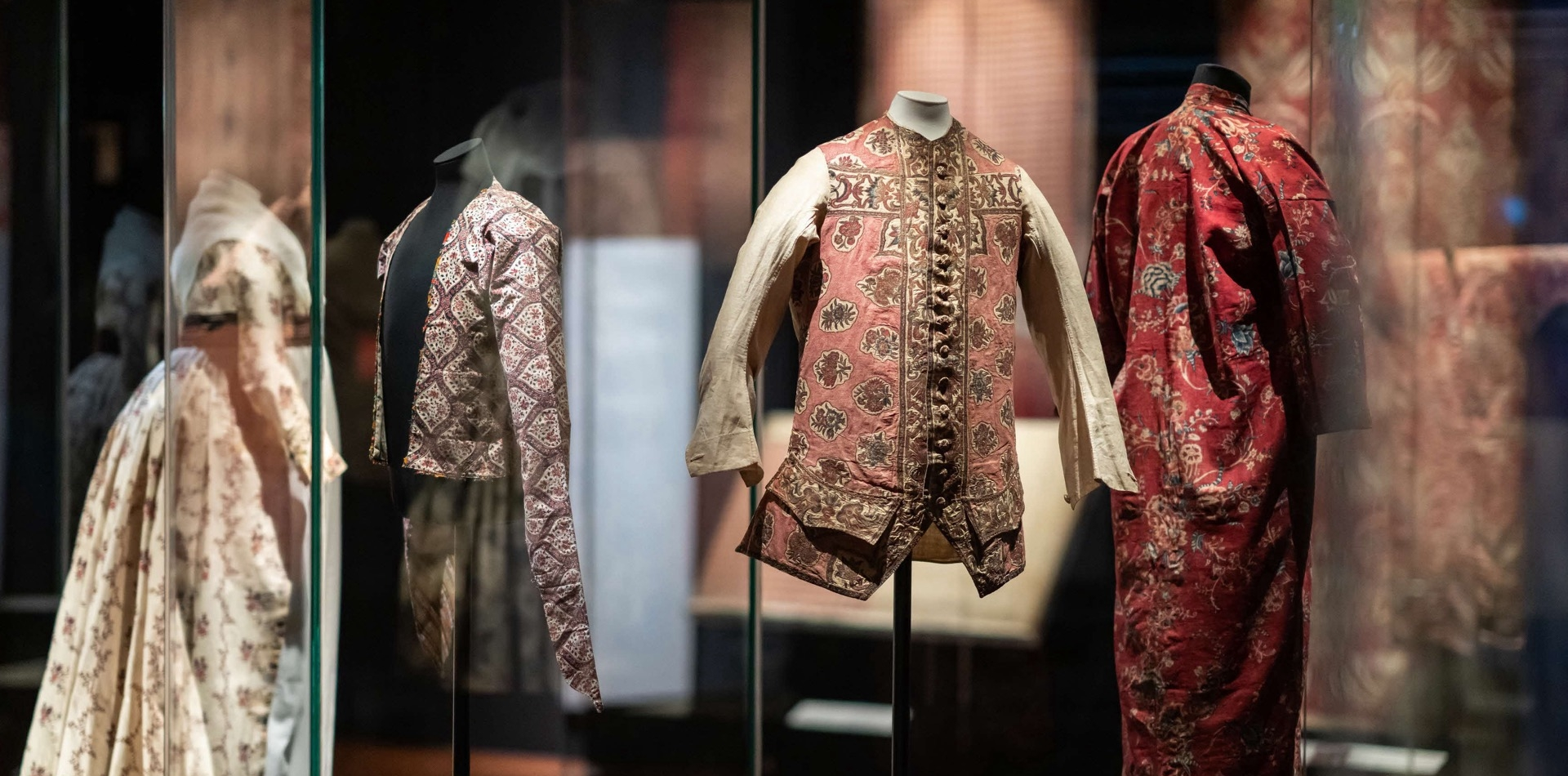
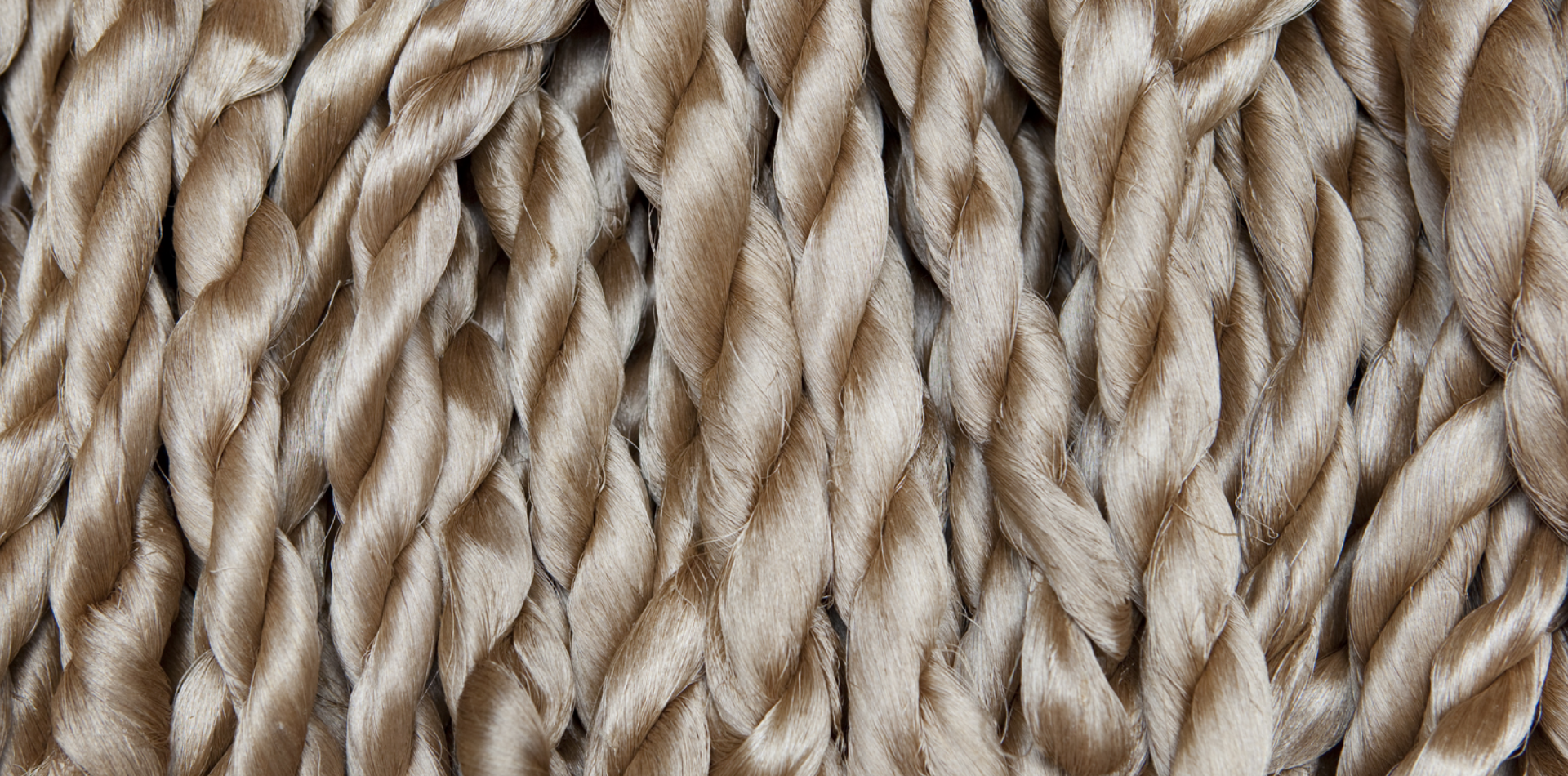

Indian textiles have driven trade, shaped cultures, and influenced design for millennia. This course, presented and conceptualised by Mayank Mansingh Kaul, includes lectures that illuminate the rich traditions and techniques that define India’s textile legacy. Over ten sessions that bring together leading scholars, curators, makers, and entrepreneurs, it traces the transregional histories, material dimensions, market dynamics and aesthetic influence of Indian textiles.
Enrolment
This course is free of charge and does not require prior knowledge of the subject. Enrol by clicking the ‘Start Course’ button above. If you’ve previously registered for a course on Impart, please use the same credentials.
For an introduction to South Asian textile techniques and traditions, take our online course Textiles from the Indian Subcontinent.
About the Presenter
Mayank Mansingh Kaul is a New Delhi-based independent textile researcher and curator. He has curated seminal exhibitions on Indian textiles including Ce qui se trame. Histoires tissées entre l’Inde et la France (Textile Matters. Woven Stories Between India and France) in Paris and Pehchaan: Enduring Themes in Indian Textiles at The National Museum in Delhi. Kaul is also the editor of the Marg publication Cloth and India: 1947 to 2015. He is a graduate in textile design from the National Institute of Design, Ahmedabad.

Uzramma
Chairperson, Malkha Marketing Trust
With over 30 years of experience in handloom weaving and natural dyeing, Uzramma is the founder of Dastkar Andhra and the Decentralised Cotton Yarn Trust, which supports cotton handloom from Andhra and Telangana. In 2004, she established the Malkha Marketing Trust to promote small-scale, local cotton-yarn spinning. Uzramma is also the co-founder of Handloom Futures Trust, a research collective that looks into the ownership of artisanal knowledge, and the co-author of A Frayed History: The Journey of Cotton in India (2017).

Dr Meena Menon
Visiting Postdoctoral Fellow, University of Leeds, UK
Dr Meena Menon is a visiting postdoctoral fellow at the Leeds Arts and Humanities Research Institute (LAHRI), University of Leeds, and an independent journalist and researcher. She is a former Deputy Editor at The Hindu, and has a PhD on Social Movements from the School of History, University of Leeds. She is the author of the books Riots and After in Mumbai: Revisiting a City in Conflict in 1992–93 (2024), Reporting Pakistan (2017) and the co-author of A Frayed History: The Journey of Cotton in India (2017) and The Unseen Worker: On The Trail of the Girl Child (1998).

Rosemary Crill
Curator and Specialist in South Asian textiles
Rosemary Crill is a specialist in South Asian textiles and formerly a curator at the V&A Museum in London for 38 years. She has lectured widely and her publications include the books Chintz: Indian Textiles for the West (2008), Textiles from India: The Global Trade (2005), Indian Ikat Textiles (1998) and Indian Embroidery (1999), as well as over 50 journal articles and catalogue essays. Crill’s book The Fabric of India (2015) was accompanied by a major exhibition at the V&A Museum co-curated by her. She is currently researching the use of Indian textiles in manuscript bindings from Ethiopia and Armenia.

Dr Ritu Sethi
Editor, Global InCH Journal of Living Heritage
Dr Ritu Sethi is the editor of the Global InCH International Journal of Living Heritage and oversees the Asia InCH Encyclopedia. Her research and writing explores colonial and contemporary cultural histories, policy and sustainability. Dr Sethi’s publications include Handmade for the 21st Century: Safeguarding Traditional Indian Textiles (2022), Painters, Poets, Performers: The Patuas of Bengal (2017) and Embroidering Futures: Repurposing the Kantha (2012). She serves on committees in India, Japan, the UK and other parts of Europe. She is also the founder-trustee of Craft Revival Trust.

Deepika Shah
Director, TAPI Collection
Deepika Shah is the Director of the TAPI Collection — a leading private textile and art collection in India, which she has been associated with since its inception in 2000. She has a background in Art History and a master’s in Ancient Indian Culture. She has authored Masters of the Cloth (2005), a catalogue on Indian trade textiles, and curated TAPI’s recent exhibition, ‘When Indian Flowers Bloomed in Distant Lands,’ in Mumbai (2023) and Ahmedabad (2024). Through her work, Shah seeks to bridge past and present, sharing the global reach and enduring artistry of India’s textile heritage.

Hemang Agrawal
Textile Designer and Creative Director, The Surekha Group
Hemang Agrawal is a Varanasi-based apparel and textile designer, and the Creative Director of The Surekha Group. A graduate from the National Institute of Fashion Technology, he moved back to his home city to train in handcrafted textiles after a stint in garment exports. For two decades, Agrawal has worked closely with local and global luxury brands and large-format retailers. He co-founded Anjora, HolyWeaves and Hemang Agrawal — labels that interpret Indian textile heritage in a contemporary apparel form, and which are sold in over 30 countries. He has been nominated for the International Woolmark Prize and featured in Netflix’s The Creative Indians.

Dr Radhikaraje Gaekwad
Textile Revivalist and Philanthropist
Dr Radhikaraje Gaekwad is a textile revivalist, researcher and philanthropist. She is the Director of Craft Design Society Art Foundation, Ahmedabad, where she works on aligning artisans with designers, and bridging gaps with the end consumer. She holds a master’s in Medieval Indian History and has been conferred an honorary doctorate degree by the University of East London for her work in the fields of culture, diversity and inclusion. Having married into the royal family of Vadodara, Dr Gaekwad also manages multiple philanthropic trusts and heritage conservation projects, and organises Urja, an artisanal fair.

Sharan Apparao
Founder-Director, Apparao Galleries
Founder-Director of the Apparao Galleries in Chennai and Delhi, Sharan Apparao is a prominent gallerist with over four decades of experience. She is known for her sharp curatorial eye and interdisciplinary vision spanning craft, design and contemporary art. Trained in Fine Arts and having completed programmes at Harvard University and the Smithsonian Institution, Apparao has supported emerging artists and experimental practices while engaging deeply with India’s visual heritage. She has led prestigious projects and curated destination art tours, and through her gallery, fostered vital dialogues between tradition and modernity in art.

David Abraham
Managing Director, Abraham & Thakore; Creative Head, Satya Paul
Co-founder of the design label Abraham & Thakore, David Abraham is known for his thoughtful design philosophy rooted in material honesty, cultural nuance, and balancing innovation and tradition. Born to a Syrian Christian father and a Peranakan Chinese mother, his multicultural upbringing deeply informs his work. A graduate of the National Institute of Design in Ahmedabad, Abraham has worked in leading stores across Finland, Milan, and New York, where he designed everyday wear for the USA-based importer Sandy Starkman. In 2022, he created garments for the Peranakan Museum in Singapore. His works have also been exhibited at the V&A Museum in London.

Jigmat Norbu
Co-Founder, Jigmat Couture
Jigmat Norbu is a fashion artist who — alongside Jigmat Wangmo — founded Jigmat Couture, an ethical fashion house based in Ladakh. After two years of rigorous research, they launched the label in 2010 to promote Ladakhi textiles, craft and culture. Their products are handspun, dyed, and woven by nomadic artisans using traditional techniques and locally sourced goat, sheep, yak and camel wool. The duo also runs Ladakh’s first textile museum and leads curated events, artisanal projects and residencies — fostering sustainable fashion and preserving Himalayan heritage.

Kallol Datta
Artist and Researcher
Kallol Datta is an artist and researcher based in Kolkata who explores clothing practices across Southwest Asia, North Africa, the Korean peninsula and Japan. Repurposing donated garments that hold memory and history, they explore themes of labour, cultural sustainability, and research as production. Their practice centres on community, resistance, shared healing, and radical knowledge-making. Datta has exhibited internationally, curated the Kolkata Queer Arts Month (2023) and co-curated the State of Fashion Biennale (2024). They currently serve on the Creative Advisory Council for the STOF Biennale (2026).

Manish Arora
Fashion Designer
Leading Indian designer Manish Arora’s vibrant, masterfully crafted ensembles have been worn on international runways and by global celebrities including Rihanna, Katy Perry and Aishwarya Rai. The first Indian to show at Paris Fashion Week and enter the prestigious Chambre Syndicale du Prêt-à-Porter des Couturiers et des Créateurs de Mode, Arora is also the former Creative Director of Paco Rabanne. In 2016, he received the highest civilian honour in France, Le Chevalier de la Légion d’Honneur. Recently, he designed the costumes for ABBA’s ‘Voyage’ virtual concert.

Monika Correa
Textile Artist
Born and based in Mumbai, Monika Correa is one of India’s most prominent fibre artists, known for her experimental weaving techniques. After her first solo exhibition in 1972, Correa focused on commissions before moving toward abstraction, often dismantling parts of the loom to free threads, introducing subtle movement and texture. Her work has been shown at La Biennale di Venezia (2024); MoMA, New York; and the National Gallery of Canada, Ottawa, and is held in major collections including at The Met, New York; M+, Hong Kong; KNMA, New Delhi; and Museum of Fine Arts Boston; among others.

Pradeep Dalal
Artist and Writer
Pradeep Dalal is an artist and writer based in Mumbai and New York. His works have been shown at Oakville Galleries in Ontario; Art Cake, EFA Project Space, Callicoon Fine Arts and Murray Guy in New York; and Sala Diaz in San Antonio; among other venues. He co-authored Photography in the Sensorium (2021), and his essay ‘Hand and Loom’ was published in Wolf Tones (2022). Dalal co-chaired the MFA in Photography programme at Bard College, New York, from 2015 to 2020. He directs The Andy Warhol Foundation Arts Writers Grant in New York.

Dr Ismail Khatri
Master of Ajrakh Block-Printing
Dr Ismail Khatri is a ninth-generation practitioner of Ajrakh, a complex two-sided block-printing tradition predominantly practised in Kutch, Gujarat. After a devastating earthquake in 2001, he led the relocation of his community of textile-makers from Dhamadka to Ajrakhpur, a new village that he helped set up. Reviving the use of natural dyes like indigo and alizarin, Dr Khatri combines traditional techniques with sustainable practices. His workshop exports globally. Recognised with a National Merit Certificate, a UNESCO Seal of Excellence, and an honorary doctorate from De Montfort University, Leicester, Dr Khatri also mentors emerging Ajrakh artists.

Ami Shroff
Managing Director of Shrujan and LLDC
Ami Shroff is the Director of Shrujan and the Living and Learning Design Centre, organisations dedicated to the craft and cultural heritage of Kutch. She trained with NGOs in Mumbai, lived and worked with artisans, and was part of family-led ventures like Excel Industries and Agrocel — experiences that shaped her approach to development and sustainability. At Shrujan, which was founded by her mother, the late Chanda Shroff, she led the Design Centre on Wheels project and initiated Pride and Enterprise, a research project on Kutch’s embroidery communities.

Peter Lee
Independent Heritage Consultant and Founding Curator, NUS Baba House
Peter Lee is an independent art and heritage consultant and the Founding Curator of the National University of Singapore’s Baba House, a historical house-museum. Since 1998, he has curated exhibitions on Southeast Asian material culture, across Singapore and Japan. His recent exhibition, ‘Batik Nyonyas: Three Generations of Art and Entrepreneurship, 1890–1980,’ was showcased at the Peranakan Museum in Singapore. Lee hosts Channel News Asia’s history documentary series, The Mark of Empire. He also manages a family collection of textiles and 19th-century photography.

Shwetasree Majumder
Managing Partner, Fidus Law Chambers
Managing Partner at Fidus Law Chambers, Shwetasree Majumder is a leading litigator and strategist on intellectual property (IP) law in India. She is a UDRP Panelist with the World Intellectual Property Organisation, and served on the International Trademark Association’s Board of Directors as its first Indian woman member from 2013–15. She is recognised among the world’s top IP lawyers by several renowned international publications. She writes and speaks widely on IP, and has recently instituted and argued India’s first Geographical Indication dispute involving two countries.

Uthra Rajgopal
Curator and Researcher
Uthra Rajgopal is a curator and researcher specialising in South Asian textiles. She has formerly held roles at the V&A Museum, London and the Whitworth, Manchester, where she received the UK Art Fund’s New Collecting Award to build a collection of contemporary textile art by South Asian women artists. She has curated several major exhibitions including ‘Beyond Borders’ (2017) and ‘Fragments of Our Time’ for the British Textile Biennial (2023). Rajgopal has worked with Tamil and Kutchi weavers and dyers, lectures widely, and mentors textile artists. She is currently a PhD candidate at Nottingham Trent University.