Test Your Knowledge
While art and artists from urban centres make up a large part of canonical studies, those on the margins — on the basis of region, gender, caste — are often underrepresented. In this Lesson, through examples from Jivya Soma Mashe and Navjot Altaf’s practice and the development of art centres in Goa and Chennai, we have explored how art is conceived and nurtured beyond the networks of major city-based art centres. Take the quiz to recall what you’ve learnt in this Lesson so far.
Quiz Summary
0 of 13 Questions completed
Questions:
Information
You have already completed the quiz before. Hence you can not start it again.
Quiz is loading…
You must sign in or sign up to start the quiz.
You must first complete the following:
Results
Results
0 of 13 Questions answered correctly
in .
Time has elapsed
You have reached 0 of 0 point(s), (0)
Earned Point(s): 0 of 0, (0)
0 Essay(s) Pending (Possible Point(s): 0)
Categories
- Not categorized 0%
- 1
- 2
- 3
- 4
- 5
- 6
- 7
- 8
- 9
- 10
- 11
- 12
- 13
- Unanswered
- Answered / Current
-
Question 1 of 13
1. Question
- Socio-cultural biases and urban-rural divides often result in the major exclusions — of art practices and practitioners from marginalised rural and indigenous communities, across lines of gender, caste and class — from the canon of Indian art.
CorrectIncorrect -
Question 2 of 13
2. Question
-
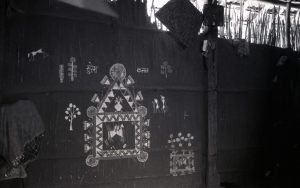
2. The Indigenous art form represented below is known as .
CorrectIncorrect -
-
Question 3 of 13
3. Question
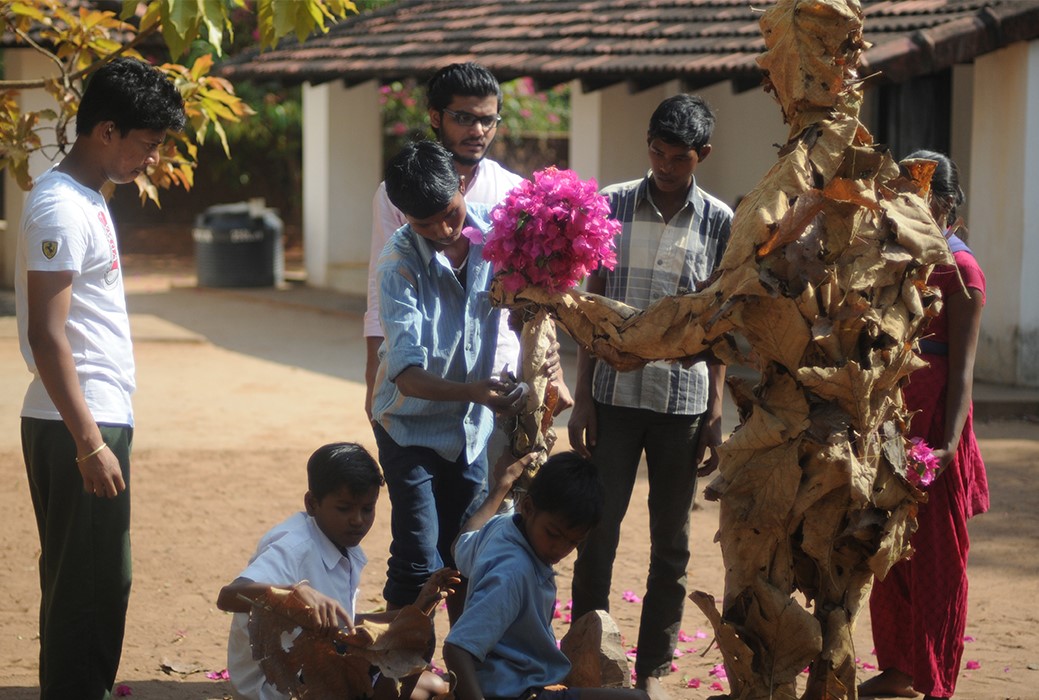
- Navjot Altaf creates site-specific and functional public art to communicate directly with the communities she works with and to bring social justice issues to public attention.
CorrectIncorrect -
Question 4 of 13
4. Question
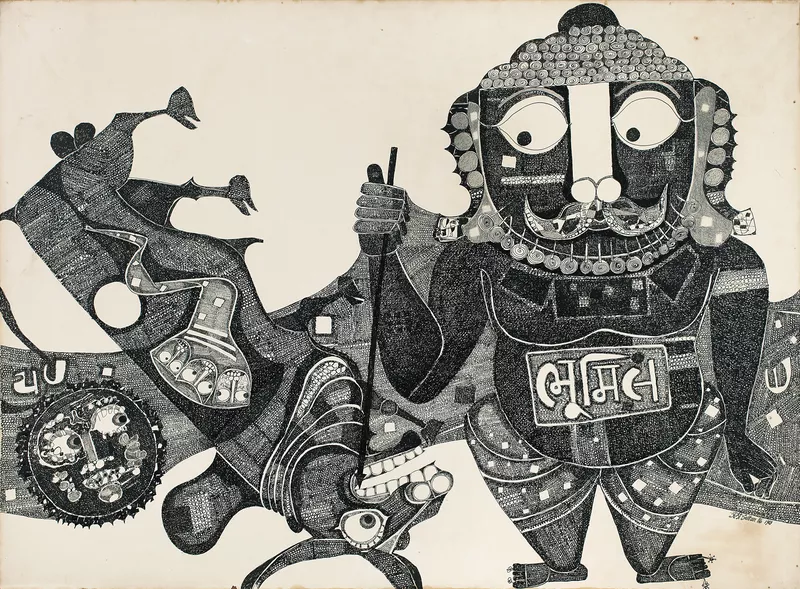
4. Drag and drop the name of the artist to their corresponding artwork.
- Navjot Altaf
- J Sultan Ali
- Jivya Soma Mashe
CorrectIncorrect -
Question 5 of 13
5. Question
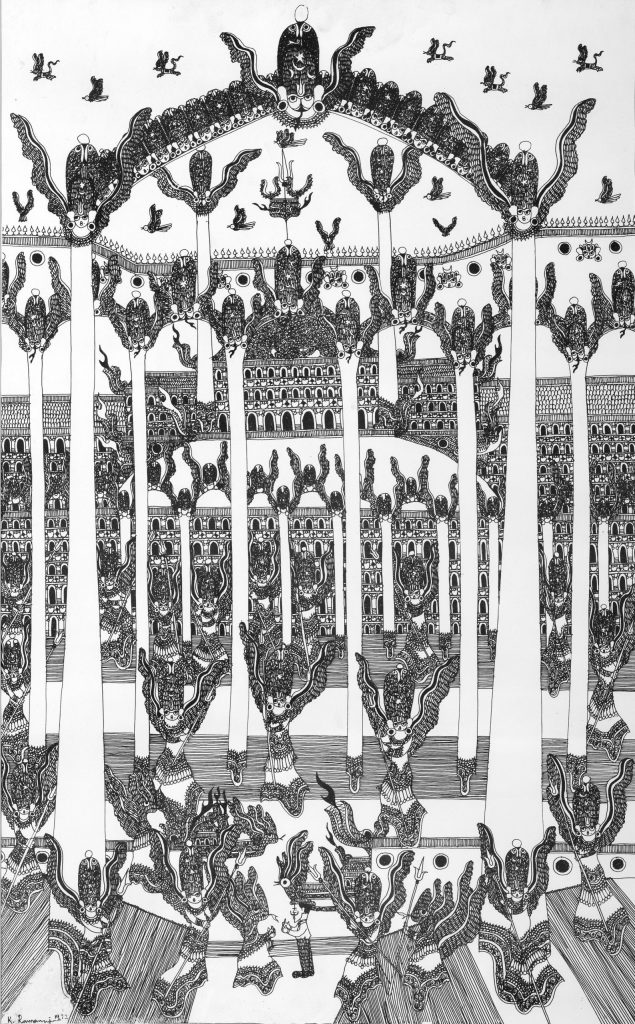
- The Surrealist painting ‘My Dream World’ features fantastical iconography drawn from the artist’s own dreams. Who is the artist of this work?
 CorrectIncorrect
 -
Question 6 of 13
6. Question
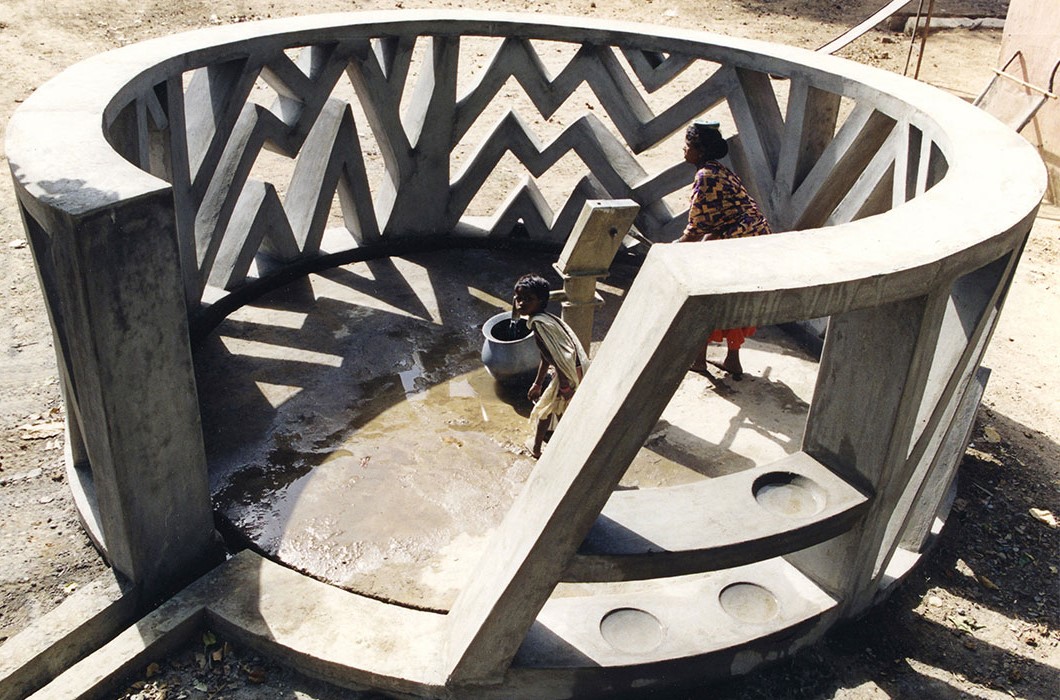
6. What is the main objective of Navjot Altaf’s collaborative work ‘Nalpar’? You may select more than one answer.
 CorrectIncorrect
 -
Question 7 of 13
7. Question
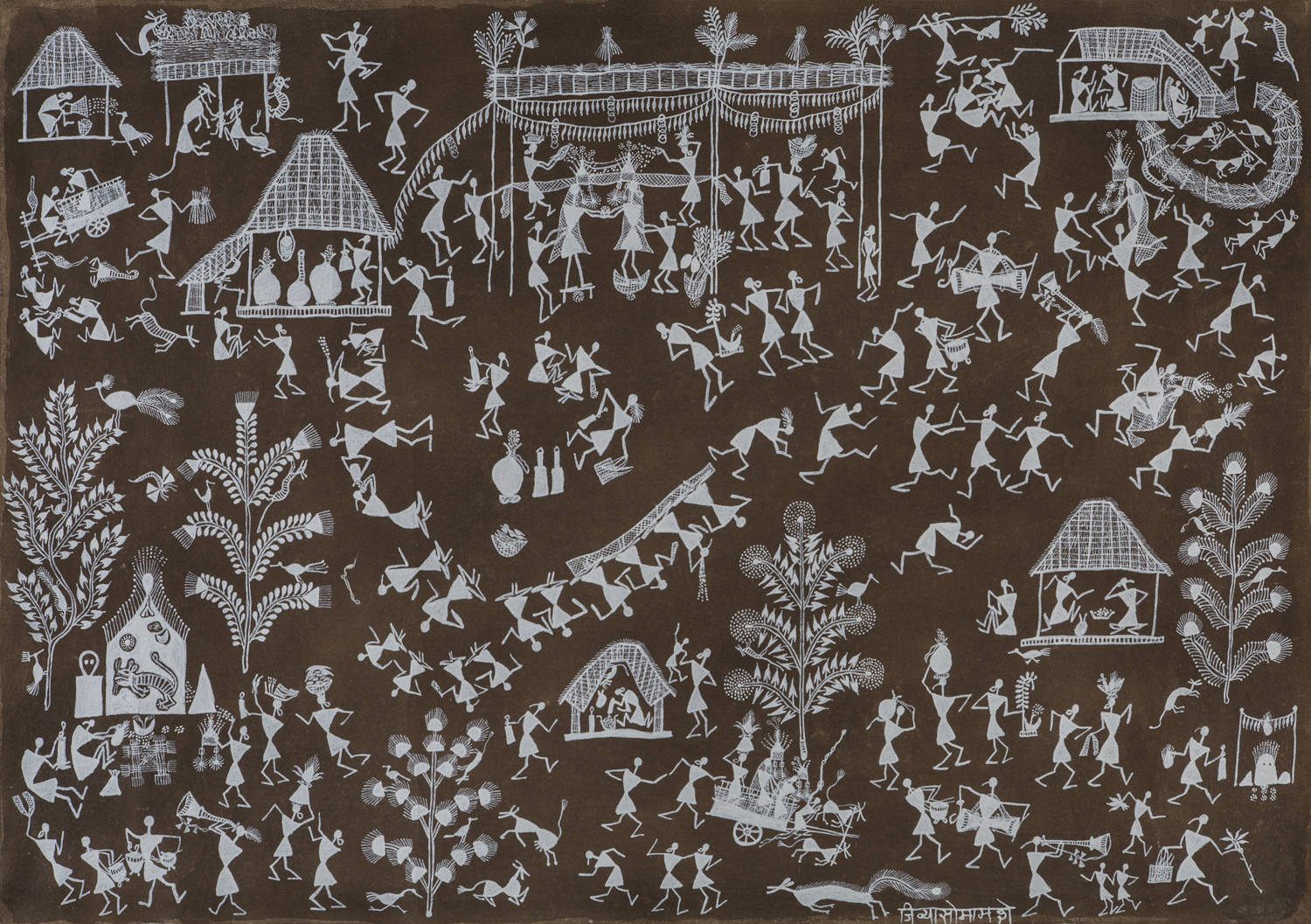
- How has Jivya Soma Mashe’s involvement with Warli changed the trajectory of the Indigenous art form?
 CorrectIncorrect
 -
Question 8 of 13
8. Question
- The Madras School of Art and the Madras Art Movement were Eurocentric in their focus and principles, deriving inspiration from Pop Art and Abstract Expressionism.
CorrectIncorrect -
Question 9 of 13
9. Question
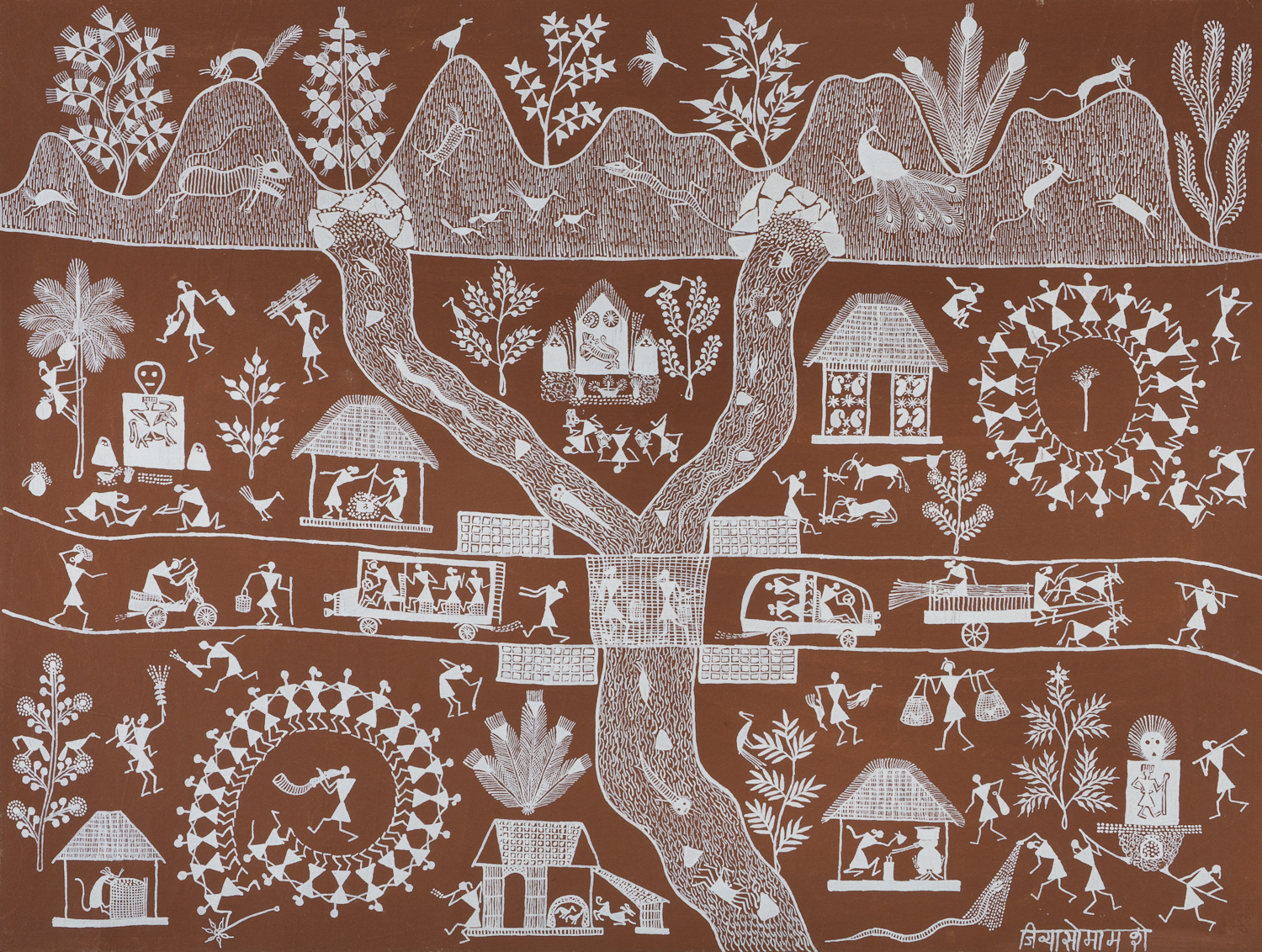
9. From the following painting ‘City Scene’ by Jivya Soma Mashe, what can we conclude about his interpretation of Warli and how it is different from the traditional form? You may select more than one answer.
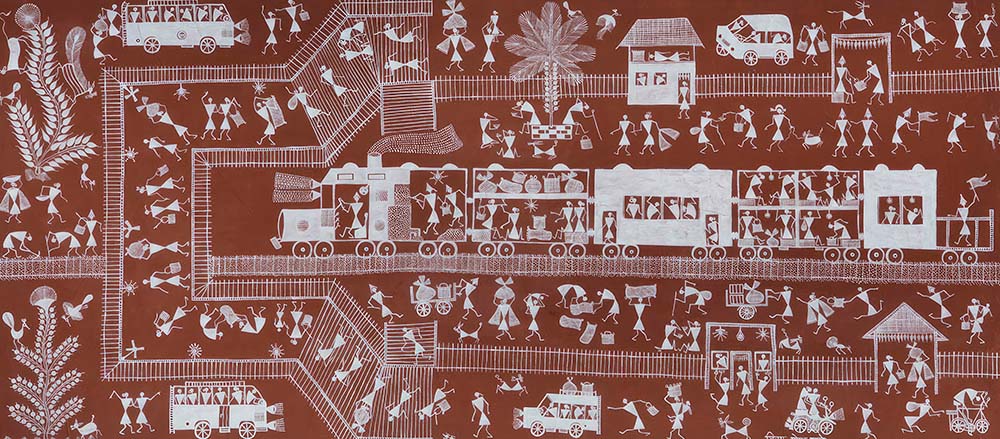 CorrectIncorrect
 -
Question 10 of 13
10. Question
- ‘Soul Breath Wind’ is a work that highlights the social and environmental consequences of mining in Chhattisgarh. Who made this work?
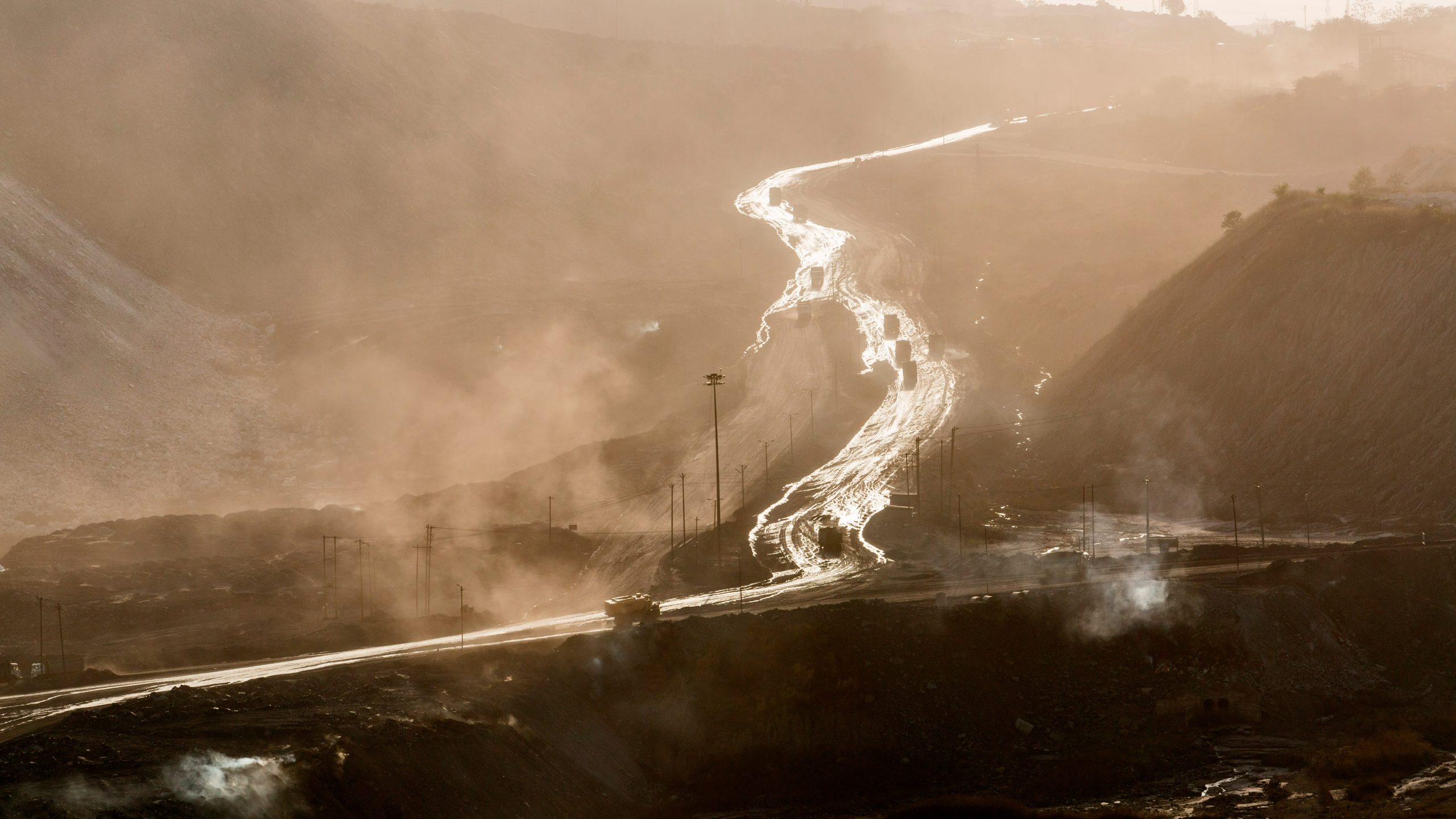 CorrectIncorrect
 - ‘Soul Breath Wind’ is a work that highlights the social and environmental consequences of mining in Chhattisgarh. Who made this work?
-
Question 11 of 13
11. Question
- How did the artist J Sultan Ali make his works ‘more Indian’?
CorrectIncorrect -
Question 12 of 13
12. Question
- What criticisms have festivals and residencies organised in Goa received?
CorrectIncorrect -
Question 13 of 13
13. Question
13. The exclusion of certain artists and art practices from canonical narratives is not unique to Indian art.
CorrectIncorrect
Report
There was a problem reporting this post.
Block Member?
Please confirm you want to block this member.
You will no longer be able to:
- Mention this member in posts
Please allow a few minutes for this process to complete.
Report
*If you previously registered for a course on MAP Academy (now Impart), please use the same credentials.
