[Online Lecture Series]
The Image Complex: Photography, Vision and Belief in South Asia
18 August–10 September | Every Tuesday & Thursday | 7:00–8:30 pm (IST)
We live with and through images. For nearly two centuries, they have shaped our relationship to truth, belief, evidence, and each other — and we have, mostly, trusted them.
The Image Complex is an seven-session online lecture series that explores how that trust was built, how it operates, and what it means to inhabit a world where it is coming undone. Moving from the colonial archives of the 19th century to contemporary image cultures, the series traces photography’s evolving role as an instrument of power, a container of memory, a medium of community, and — increasingly — a site of suspicion.
Grounded in photographic histories and practices across South Asia, these sessions bring together scholars, photographers, editors, curators, and archivists to ask: Who have photographs historically served, and who decides what they are permitted to reveal and exclude? How do images circulate through newspapers, family albums, archives, exhibitions, messaging platforms, and social media, accumulating new meanings with every encounter? And what happens when images themselves become unstable communicators — automated, manipulated, remixed, and untethered from their subjects — reshaping our relationship to them?
Through illustrated presentations and panel discussions, the sessions approach these themes in ways that speak to learners across backgrounds, regardless of prior knowledge about the subjects.
Sign Up for the Sessions
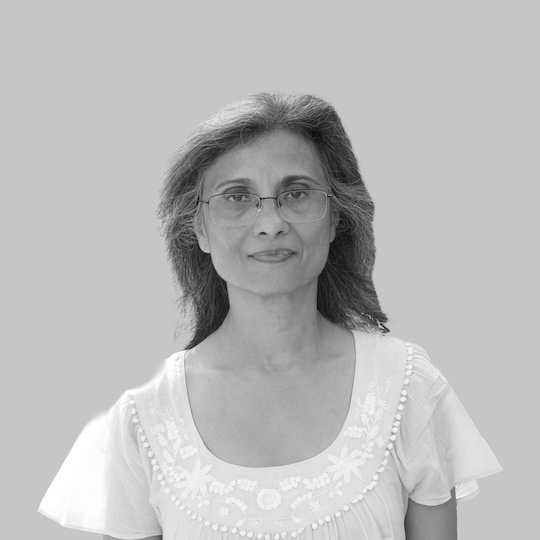
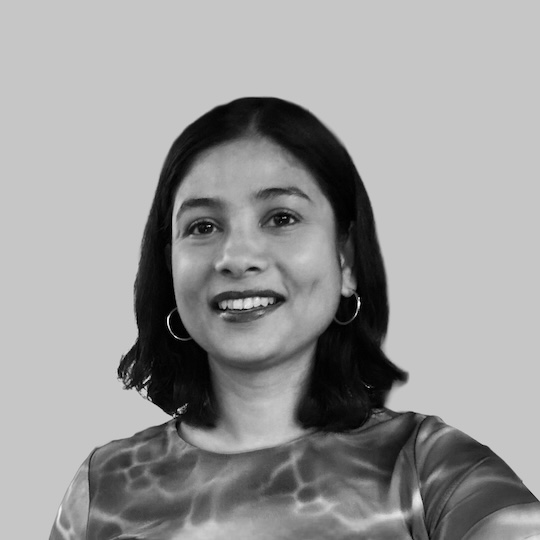
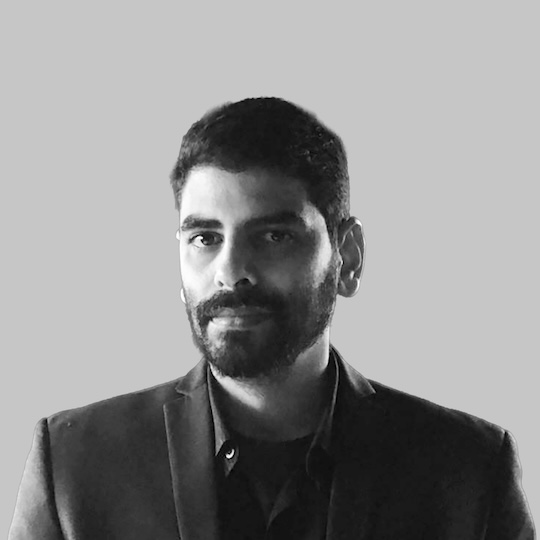
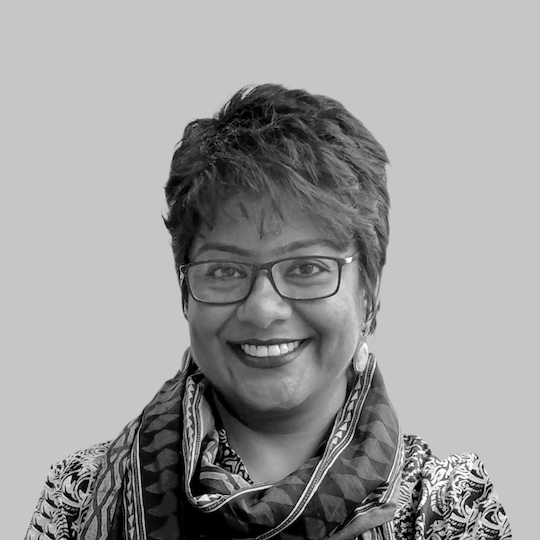
About the Facilitators
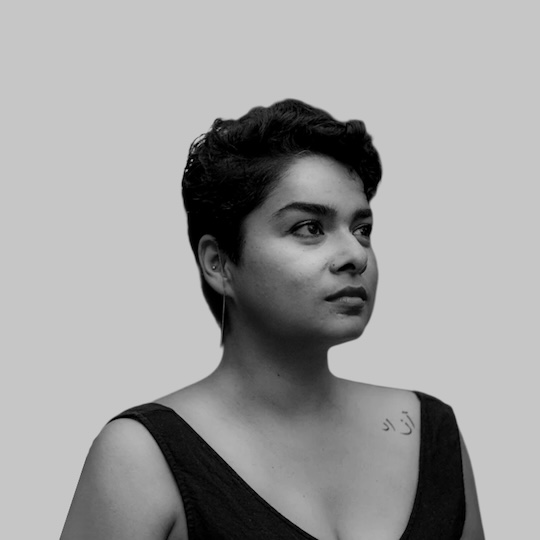
Aastha D is a critic, educator, and curator working across architecture, culture, and art. She is the founding editor of Proseterity, an independent international literary arts magazine. She has a background in architecture and an MS in Critical, Curatorial, Conceptual Practices from Columbia University GSAPP, New York.
Impart is an online platform encouraging greater engagement with South Asia’s art and cultural histories. We build inclusive and free resources for people to better access these histories, and believe that the story of art across the region should be presented in a comprehensive and nuanced way.
Sessions
Guest Speakers
Date
Seeing Historically: Photography, Knowledge, and Power
Dr Deepali Dewan, Dr Sudeshna Guha
Tuesday, 18 August
Unstable Objects: Photography, Social Change, and Dissent
Dr Avrati Bhatnagar, Rahaab Allana, Dr Ranu Roychoudhuri
Thursday, 20 August
Whose Images? Representation, Visibility, and Rights
Abhidha Niphade, Suchitra Vijayan, Tanvi Mishra
Tuesday, 25 August
Images in Community: How Photographs Travel
Amarnath Praful, Munem Wasif, Veeranganakumari Solanki
Tuesday, 1 September
‘Ordinary’ Pictures: The Image and the Personal Record
Anshika Varma, M Neelika Jayawardane, Dr Suryanandini Narain
Thursday, 3 September
Beyond Institutions: Photography’s Expanded Relations
Alakananda Nag, Varun Gupta
Tuesday, 8 September
New Models: Image, Screen, and Algorithmic Vision
Chinar Shah, Premjish Achari, Sukanya Deb
Thursday, 10 September
Programme
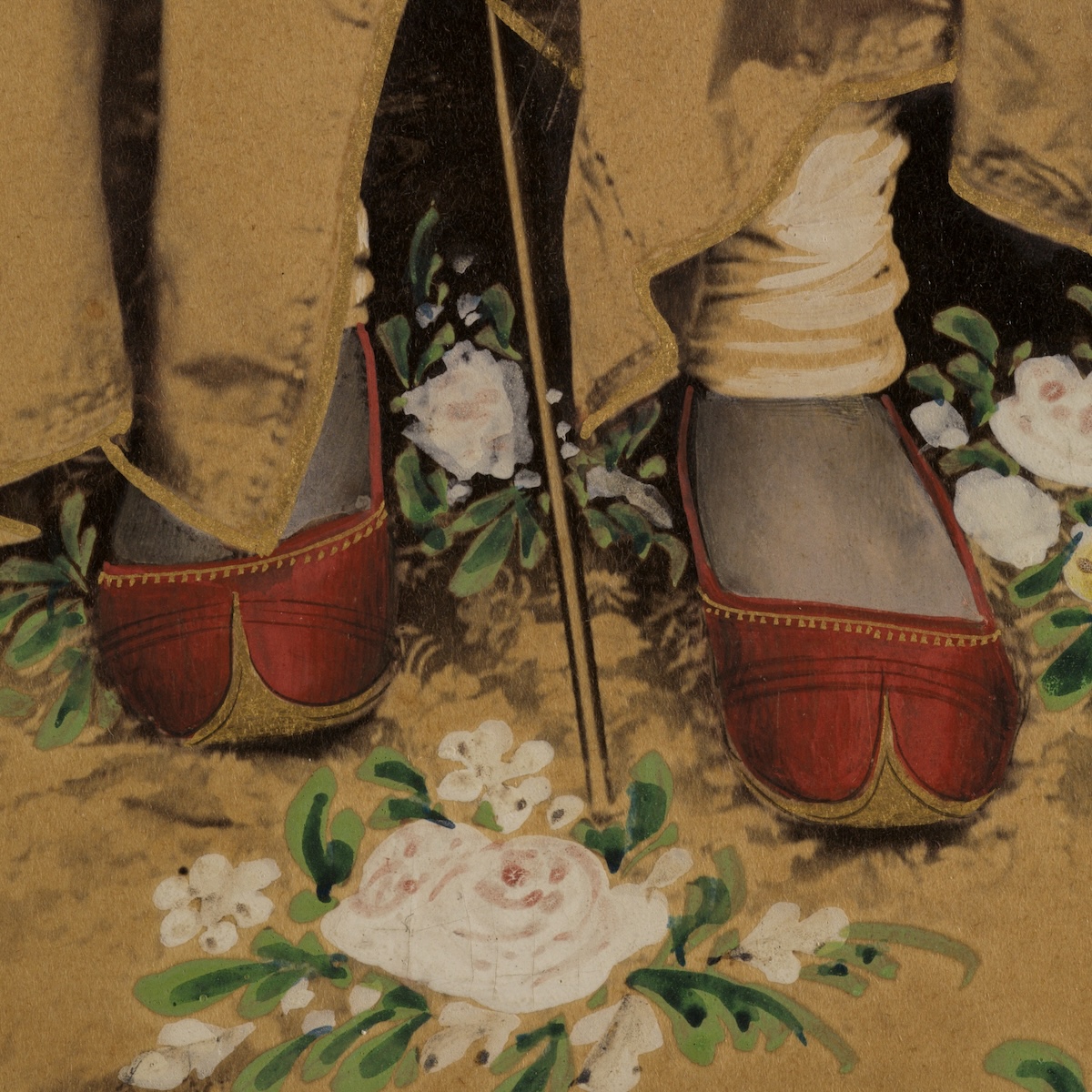
Session 1
SEEING HISTORICALLY
Photography, Knowledge, and Power
18 August | Tuesday | 7:00 PM IST
With Dr Deepali Dewan & Dr Sudeshna Guha
Following its emergence in the 19th century and its rapid adoption across South Asia, photography came to occupy a privileged position in producing public knowledge. Appealing to sight as a seemingly impartial witness, photographs were increasingly treated as credible records of people, communities, places, and events. This session explores how the medium was mobilised by colonial administrations, scientific institutions, and commercial studios to gather information, classify, document, and govern, while also being adopted by local practitioners for self-representation and political expression. Together, these histories reveal how photography acquired authority — and why that authority was never entirely unquestioned.
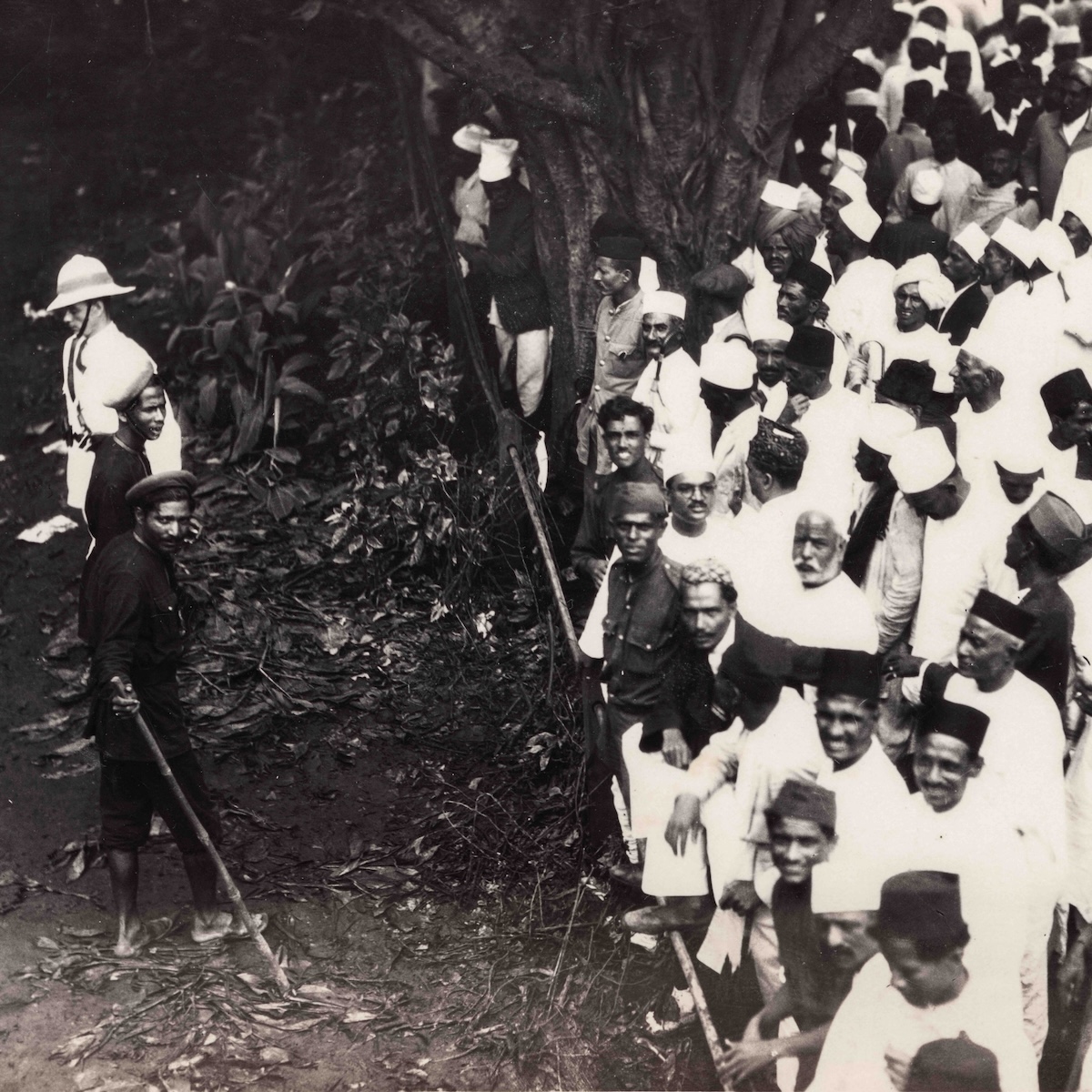
Session 2
UNSTABLE OBJECTS
Photography, Social Change, and Dissent
20 August | Thursday | 7:00 PM IST
With Dr Avrati Bhatnagar, Rahaab Allana & Dr Ranu Roychoudhuri
During the 20th century, photography became increasingly woven into everyday life through illustrated magazines, newspapers, family albums, social movements, affordable cameras, and evolving mass media. As photographs circulated more widely, their authority was increasingly determined by where they appeared, who mobilised them, and the narratives they endorsed. This session examines how images became reserves of collective memory, as well as sites of political contestation and dissent. It asks how changing technological and social realities unsettled earlier assumptions about photography as an unquestionable witness to history.
Session 3
WHOSE IMAGES?
Representation, Visibility, and Rights
25 August | Tuesday | 7:00 PM IST
With Abhidha Niphade, Suchitra Vijayan & Tanvi Mishra
Every photograph establishes a relationship between the photographer, the person depicted, and those who later encounter the image. But who has the authority to look, to represent, and to decide whose lives are made visible, legible, or worthy of record? This session looks at photography through questions of authorship and agency, to consider how images shape recognition as much as exclusion. It delves into the ethical responsibilities involved in making, editing, captioning, and circulating photographs — and how power is exercised through decisions about framing and interpretation.
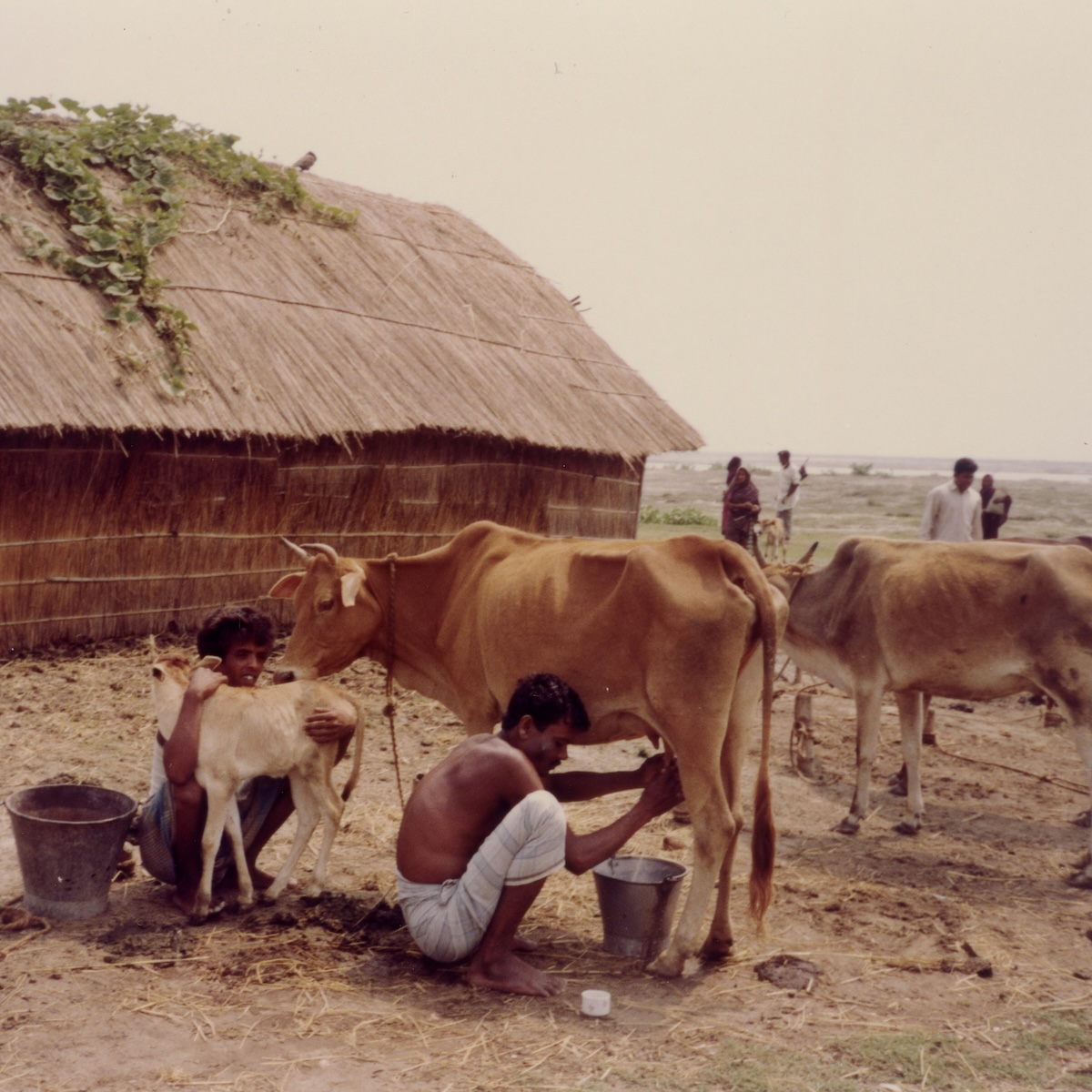
Session 4
IMAGES IN COMMUNITY
How Photographs Travel
1 September | Tuesday | 7:00 PM IST
With Amarnath Praful, Munem Wasif & Veeranganakumari Solanki
What happens to a photograph once it is made? After the moment it is ‘fixed’ by the click of a camera, the image begins a social afterlife — circulating through family albums, personal collections, archives, exhibitions, classrooms, newspapers, messaging platforms, or dusty storage spaces long forgotten. As photographs move, they gather new meanings and new audiences. This session follows these journeys through artistic, curatorial, archival, and pedagogical practices. It traces how images are continually reinterpreted, recontextualised, and made to speak in different ways.
Session 5
‘ORDINARY’ PICTURES
The Image and the Personal Record
3 September | Thursday | 7:00 PM IST
With Anshika Varma, M Neelika Jayawardane & Dr Suryanandini Narain
Many photographs are not intended for museums, archives, or newspapers. They are made instead for families, friends, neighbourhoods, and future selves. This session turns to the intimate life of images, approaching them as objects of memory, kinship, affection, mourning, and everyday ritual. The significance of such images often lies precisely in their familiarity; they quietly preserve relationships, mark the passage of time, and sustain personal histories without demanding attention. By examining these seemingly ordinary pictures, the session reflects on how photography has become one of the most enduring ways we remember, connect, and narrate our lives.
Session 6
BEYOND INSTITUTIONS
Photography’s Expanded Relations
8 September | Tuesday | 7:00 PM IST
With Alakananda Nag & Varun Gupta
Photographs acquire meaning through relationships. Increasingly, artists, publishers, educators, community organisations, and collectives are working with images through books, participatory archives, digital repositories, workshops, and collaborative research projects — initiatives that often extend beyond traditional museums and galleries. Pointing to these expanded practices, this session reveals how photographs can function not just as historical documents or art objects, but as catalysts for dialogue, collective inquiry, and shared forms of knowledge. It considers how new modes of circulation and participation are reshaping what photographs can do and who they can reach.
Session 7
NEW MODELS
Image, Screen, and Algorithmic Vision
10 September | Thursday | 7:00 PM IST
With Chinar Shah, Premjish Achari & Sukanya Deb
What happens when images are no longer bound to the camera’s relationship to reality, but can instead be generated, transformed, or interpreted by computational systems? Today, AI-generated images, synthetic media, facial recognition, recommendation algorithms, and machine vision are reconfiguring how images are produced, circulated, and trusted. In these contexts, images no longer simply record the world; they increasingly participate in organising attention, influencing decisions, and constructing realities of their own. This session interrogates how algorithmic image cultures are redefining ideas of authenticity, authorship, and belief in an increasingly automated visual world.
About the Guest Speakers
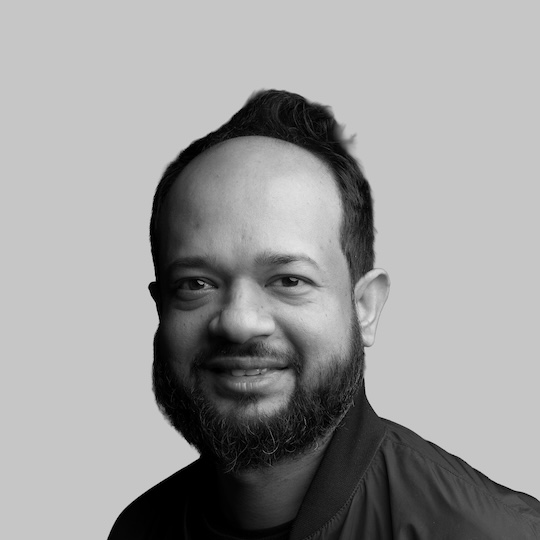
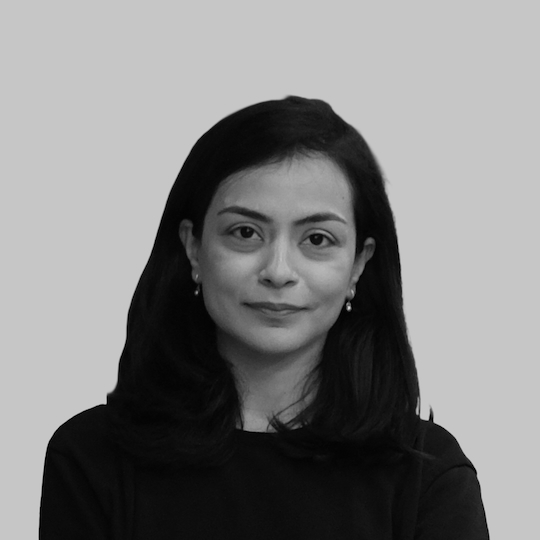
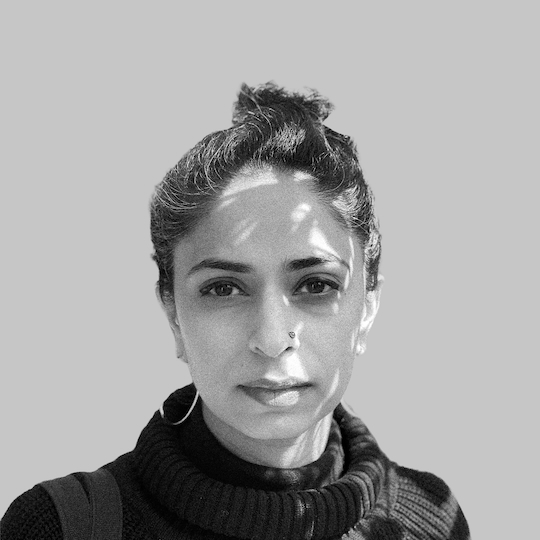
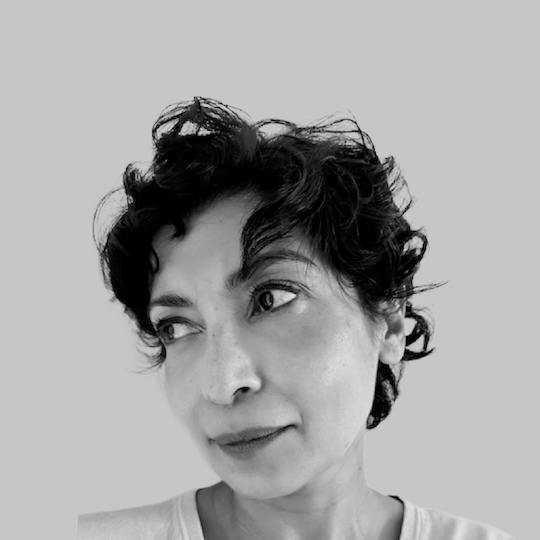
If you have any inquiries or need assistance, please write to us at [email protected]. Browse Impart’s online courses, live talks, explainer videos, and other offerings here.
Banner Image Captions:
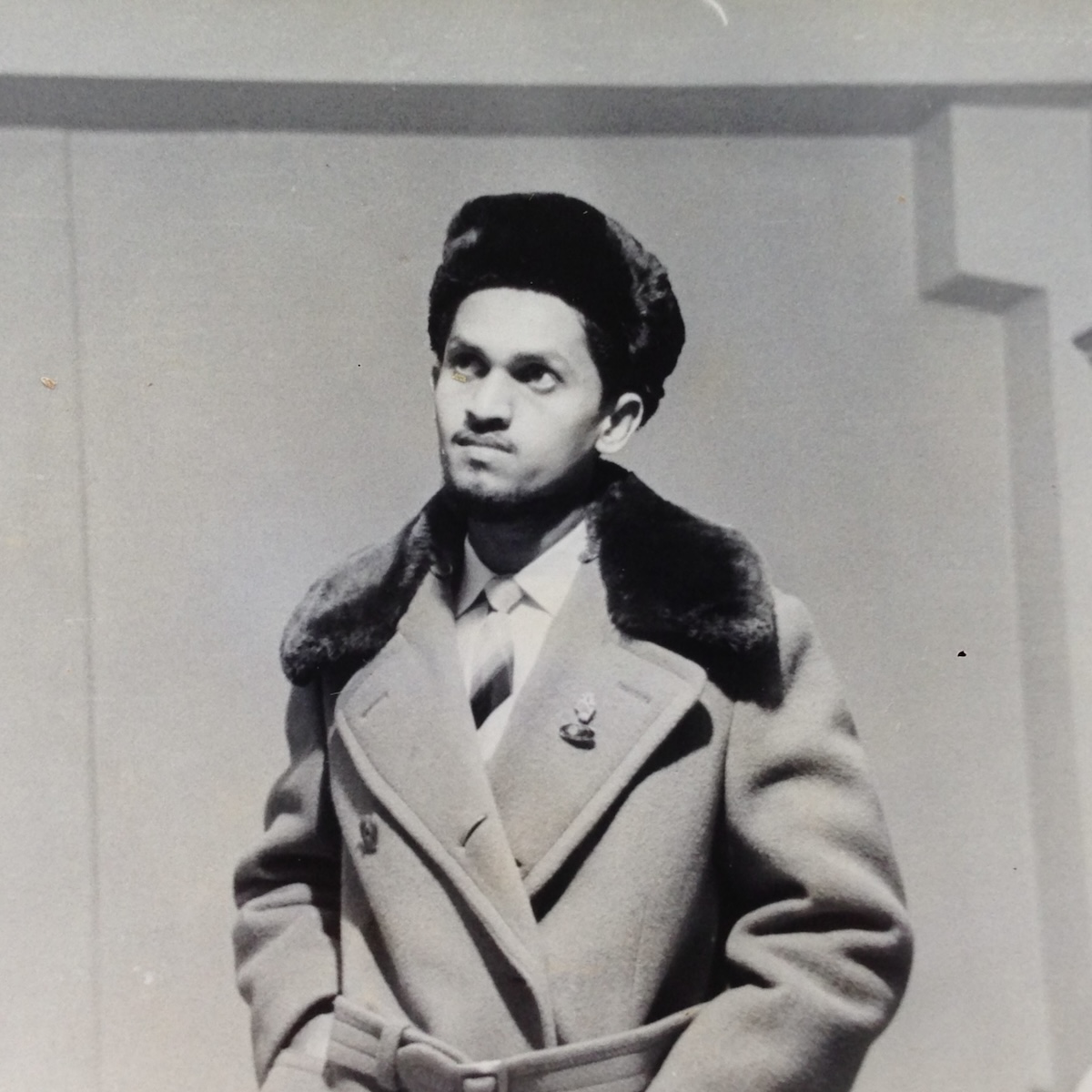
- Ji ta Newa Bhyaa Mawa (I don’t know my Mother Tongue); Jyoti Shrestha. Excerpted from “Decoding Photographic Language Through the Body Archive”, presented by Anshika Varma.
- Men and women carrying heavy bricks and walking barefoot on a ramp, amid high temperatures at a dusty kiln; P Sainath; Andhra Pradesh, India; 1990s–2000s. Published in P Sainath; “Visible Work, Invisible Women: Bricks, coal and stone (Panel 1)”; People’s Archive of Rural India (PARI); July 22, 2014. Courtesy P Sainath.
- A police officer snatching away the flag from a Desh Sevika during a meeting on the Esplanade maidan; Bombay, India; 1930s. Courtesy The Alkazi Collection of Photography.
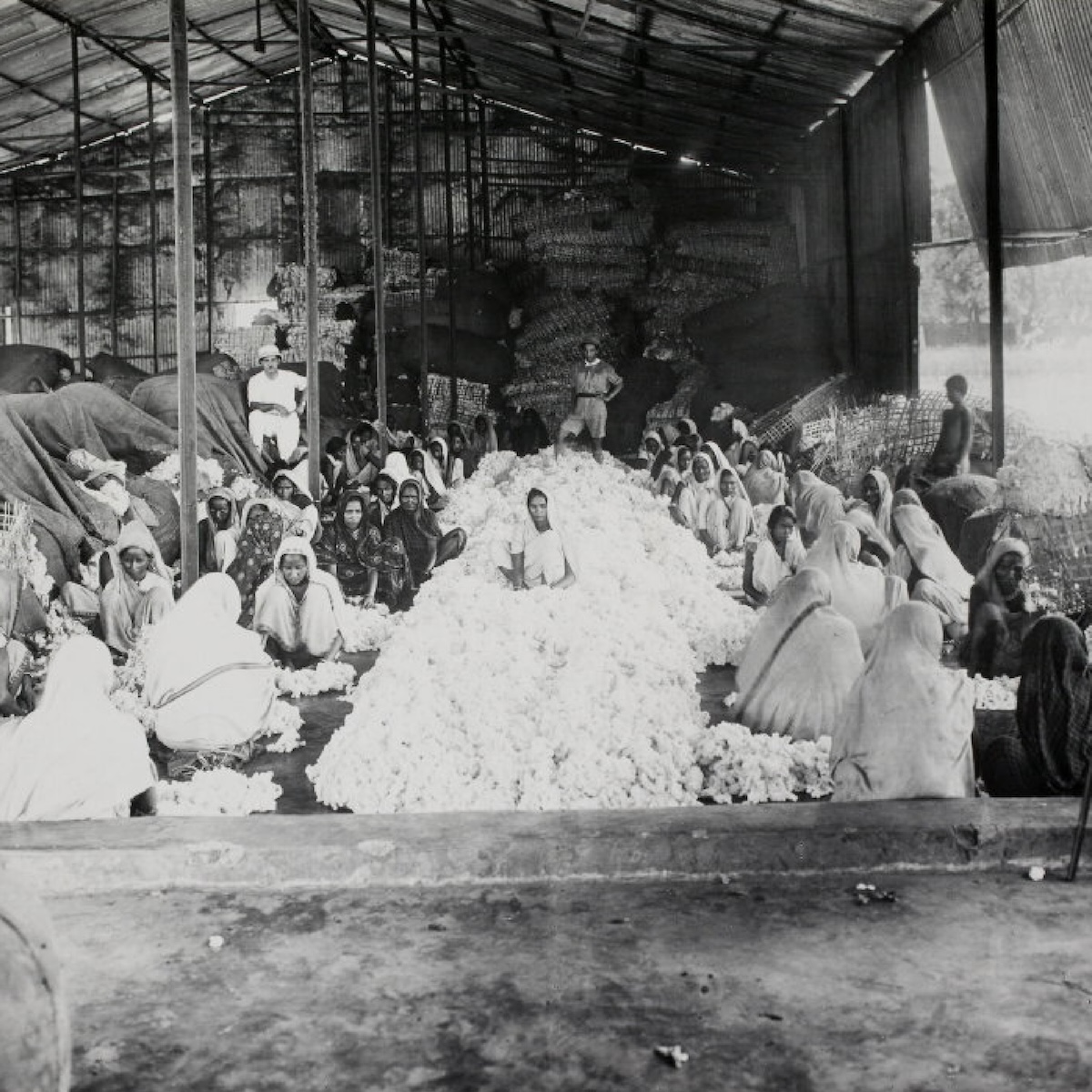
- Female labourers working in a ginning factory; Bourne & Shepherd; India; 1926. From the British Library archive.